November 12, 2026
Starting early care marks an essential developmental step for both families and young learners. Transitioning into an early childhood environment represents a child's initial venture into a structured communal setting with peers, bringing both excitement and emotional adjustments. When families select an accredited daycare center, they establish an educational foundation that nurtures long-term socialization, emotional resilience, and cognitive development. Preparing thoroughly for this milestone eases natural anxieties, transforms hesitation into eager curiosity, and equips children to thrive within group environments.
Successful transitions depend on deliberate groundwork across emotional, social, and practical domains. Introducing unfamiliar environments requires thoughtful routines, continuous dialogue, and intentional partnerships between guardians and educators. By breaking the transition into actionable stages, parents can navigate every phase with complete confidence. This comprehensive guide outlines practical, supportive approaches to help your family prepare thoroughly for your child's momentous first morning at a modern early care facility.
Selecting the Ideal Facility
Evaluating Available Options
Selecting the right early childhood facility begins with thorough research across local educational networks and community recommendations. Parents should verify licensing credentials, state accreditations, and local reputation across neighborhood parent organizations. Exploring educational philosophies—such as play-based learning, Montessori, or Reggio Emilia approaches—ensures that institutional practices align with family values. Taking time to find an exceptional daycare center ensures that your child enters an enriching, nurturing environment tailored to their developmental needs.
Touring Campus Facilities
Visiting prospective campuses provides indispensable firsthand insights into everyday operations and environmental health. During these on-site visits, parents should inspect classroom hygiene, child-proofing measures, outdoor security, and sanitation standards. Observing active caregiver interactions reveals the authentic warmth, responsiveness, and culture of the classroom. A tour also allows parents to assess teacher-to-child ratios, group sizes, and safety protocols, confirming that each room remains safe, orderly, and engaging.
Confirming Staff Qualifications
Educator training directly influences classroom quality, safety, and individual student well-being. Parents should inquire about early childhood education degrees, background check protocols, and ongoing professional development requirements. Certifications in infant and child pediatric CPR and first-aid response are essential standards for every caregiver. Enrolling your child at a licensed daycare center ensures that knowledgeable educators oversee daily routines, understand developmental stages, and implement proven pedagogical practices.
Building Emotional Readiness
Introducing New Concepts
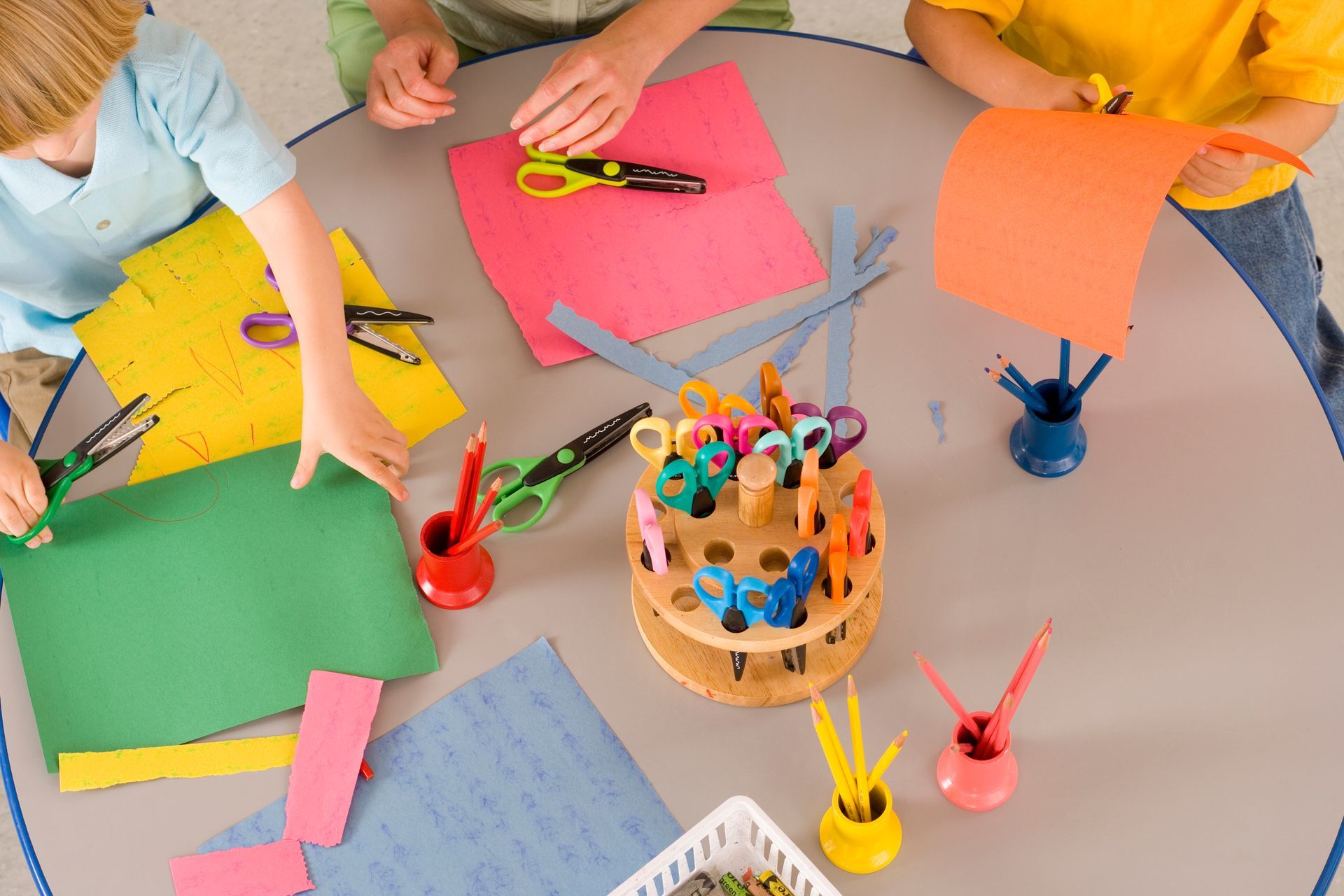
Introducing early care to your child requires gentle, positive framing focused on exploration and discovery. Explain what happens during the day by describing colorful art projects, interactive music circles, and playground games. Using upbeat language frames this milestone as an exciting privilege rather than a daunting separation. Validating feelings while highlighting fun activities helps young children view their upcoming educational adventure with genuine enthusiasm and curiosity.
Simulating Daily Routines
Role-playing common classroom scenarios through imaginative pretend play demystifies unfamiliar daily routines. Use favorite stuffed animals or dolls to demonstrate morning drop-offs, circle-time songs, hand-washing lines, and naptime procedures. Act out positive goodbyes and joyful afternoon reunions so your child internalizes the certainty of pickup. Playful rehearsals at home help normalize daily activities and build emotional resilience ahead of the first day.
Organizing Practical Essentials
Selecting Functional Attire
Dressing children in comfortable, durable, and easily washable clothing promotes full participation in tactile activities. Toddlers and preschoolers need flexible fabrics that allow unhindered movement on climbing structures and running tracks. Choosing elastic-waist pants supports self-toileting efforts, while slip-on or hook-and-loop shoes build confidence. Avoid complicated belts, buckles, and delicate fabrics that restrict natural play or create frustration during bathroom breaks.
Packing Comfort Items
Familiar transitional objects bridge the emotional gap between home comfort and unfamiliar classroom surroundings. A small plush toy, a soft receiving blanket, or a family photo provides tangible solace during naptime or moments of separation stress. Confirm classroom policies regarding personal items to ensure compliance. When approved, having a comforting item close by provides essential security while adjusting to a busy daycare center.
Labeling Personal Belongings
Labeling every individual item prevents mix-ups, misplaced garments, and hygienic cross-contamination in shared group environments. Use waterproof, durable labels or permanent textile markers on clothing tags, extra shoes, jackets, water bottles, and bedding. Group care environments involve dozens of identical toddler items, making clear identification essential. Thoughtful labeling simplifies classroom organization and ensures that personal gear returns home safely each afternoon.
Cultivating Personal Independence
Practicing Self-Care Habits
Fostering basic self-help abilities boosts a child's confidence, self-reliance, and autonomy in shared classrooms. Encourage your child to practice pulling up their pants, washing their hands with soap, drying with towels, and wiping their own nose. Mastering self-care tasks minimizes reliance on teachers for basic physical needs, allowing children to navigate group environments with greater ease and pride.
Developing Communication Skills
Empowering children to verbalize their basic needs, feelings, and physical boundaries improves classroom safety and social success. Teach functional phrases such as asking for water, signaling when they need the restroom, requesting help with fasteners, and expressing when they need personal space. Strong communication abilities help educators respond swiftly to your child's needs while reducing misunderstandings among classmates.
Partnering with Facility Staff
Establishing Ongoing Dialogue
Building open, respectful communication with teachers creates a supportive safety net around your child's educational experience. Introduce yourself warmly to lead educators and classroom aides during initial orientations. Consistent check-ins foster collaborative relationships, ensuring that both parents and teachers work together to guide developmental milestones, celebrate achievements, and address behavioral shifts promptly.
Sharing Individual Preferences
Providing educators with written details about your child's personality, comforting strategies, sleep habits, and interests accelerates bonding. Inform caregivers about specific fears, favorite games, soothing phrases, and dietary quirks. Sharing these insights helps teachers personalize their care, comfort your child during moments of distress, and integrate favorite interests into classroom play.
Navigating the First Morning
Managing Separation Anxiety
First-day nervousness is a natural developmental response for both young children and devoted parents. According to the National Center for Education Statistics, about 59% of children age 5 and younger are in nonparental care, highlighting the commonality and manageability of these emotions. Acknowledge your feelings privately while presenting a calm, confident, and optimistic presence for your child, demonstrating that their classroom is an inviting and safe environment.
Creating Relaxed Mornings
Establishing an unhurried, calm morning routine prevents rushed frustration and emotional breakdowns on the first day of school. Prepare clothes, outerwear, and packed lunches the night before to streamline morning tasks. Wake up early enough to share a wholesome, relaxed breakfast together and enjoy a peaceful commute. A tranquil departure from home sets a calm, positive tone for school arrivals.
Offering Warm Encouragement
Provide warm affirmations on the way to school to reinforce your child's courage and adaptability. Remind them of past successes with new experiences, praise their growing independence, and talk about the engaging sensory materials waiting in the classroom. Positive encouragement builds self-assurance, helping children approach unfamiliar spaces with an adventurous, receptive mindset.
Preparing a young child for early childhood education is a rewarding milestone rooted in patience, organization, and emotional support. By choosing an accredited facility, aligning routines, nurturing self-reliance, and fostering close partnerships with dedicated caregivers, parents provide the tools needed for continuous success. Embracing this journey with optimism and intentional preparation lays the groundwork for social confidence, lifelong learning, and a joyful school experience. Call ABC Childcare & Preschool today to learn more about our daycare center.